Mercedes Azpilicueta. Las mesas danzantes
Mercedes Azpilicueta. Las mesas danzantes
Del 27 de septiembre de 2024 al 9 de marzo de 2025
T3. Comisariado: Verónica Rossi y Jimena Blázquez
Ver un mundo en un grano de arena,
Y un cielo en una flor silvestre,
Sostener el infinito en la palma de la mano,
Y la eternidad en una hora.
William Blake "El Augurio de la Inocencia" (1863)
Ir y venir en trance: una hipnosis que permite acceder a otras formas de comunicación, facilitando la disolución entre lo consciente y lo inconsciente, entre la vida y la muerte. En el siglo XIX, surge el espiritismo, situado entre el cristianismo y el psicoanálisis, como una posibilidad de reencuentro entre el mundo terrenal y el de los espíritus. Este movimiento no solo abrió nuevas puertas hacia lo imaginario, sino que también proporcionó a muchas mujeres escritoras y artistas un espacio de libertad para trascender las limitaciones impuestas por la sociedad tradicional. Victor Hugo, en su obra Las Mesas Giratorias de Jersey (1850), documentó sus experiencias espiritistas durante su exilio, describiendo cómo las mesas "danzaban" en sesiones mediúmnicas, ofreciendo la posibilidad de contacto con seres de otros mundos. Esta práctica no solo le permitió explorar su propio inconsciente, sino que reflejó el poder emancipador del espiritismo, particularmente para las mujeres, quienes hallaron en estas experiencias una vía creativa y de comunicación más allá de las estructuras patriarcales.
En Las Mesas Danzantes, una exposición inédita para el C3A de Córdoba, Mercedes Azpilicueta (La Plata, Argentina, 1981) explora el espacio creativo que emerge a través del espiritismo, reconstruyendo la vida de Amalia Domingo Soler (Sevilla, 1835 - Barcelona, 1909), la divulgadora más carismática del movimiento espiritista en el mundo hispano y precursora de la igualdad de género. Domingo Soler dedicó su vida a la defensa de una sociedad más justa e igualitaria, expresando sus ideales a través de numerosas publicaciones. En esta exposición, algunos de sus escritos, presentes en sus primeras ediciones, son el punto de partida para deambular entre dos mundos, desvelando cómo el espiritismo se convirtió en un movimiento emancipador para mujeres artistas que se encontraban severamente limitadas por las normas patriarcales de la época. Como señala Jennifer Higgie en su libro The Other Side: A Journey into Women, Art, and the Spirit World, (2023) "el espiritismo ofreció a las mujeres un ámbito en el que podían explorar y expresar ideas más allá de las convenciones sociales, creando un arte que desafiaba las normas establecidas y canalizaba lo espiritual."
Azpilicueta encuentra en la singularidad de los textos de Domingo Soler un reflejo de sus propias inquietudes, y juntas establecen un baile cósmico de experiencias compartidas, que se resumen en la idea de migración: entre las artes y las letras, entre ciudades y países, entre lo real y lo espiritista, entre la razón y el sueño místico y sanador, entre el entonces y el ahora, acercándonos a una nueva torre de conocimiento.
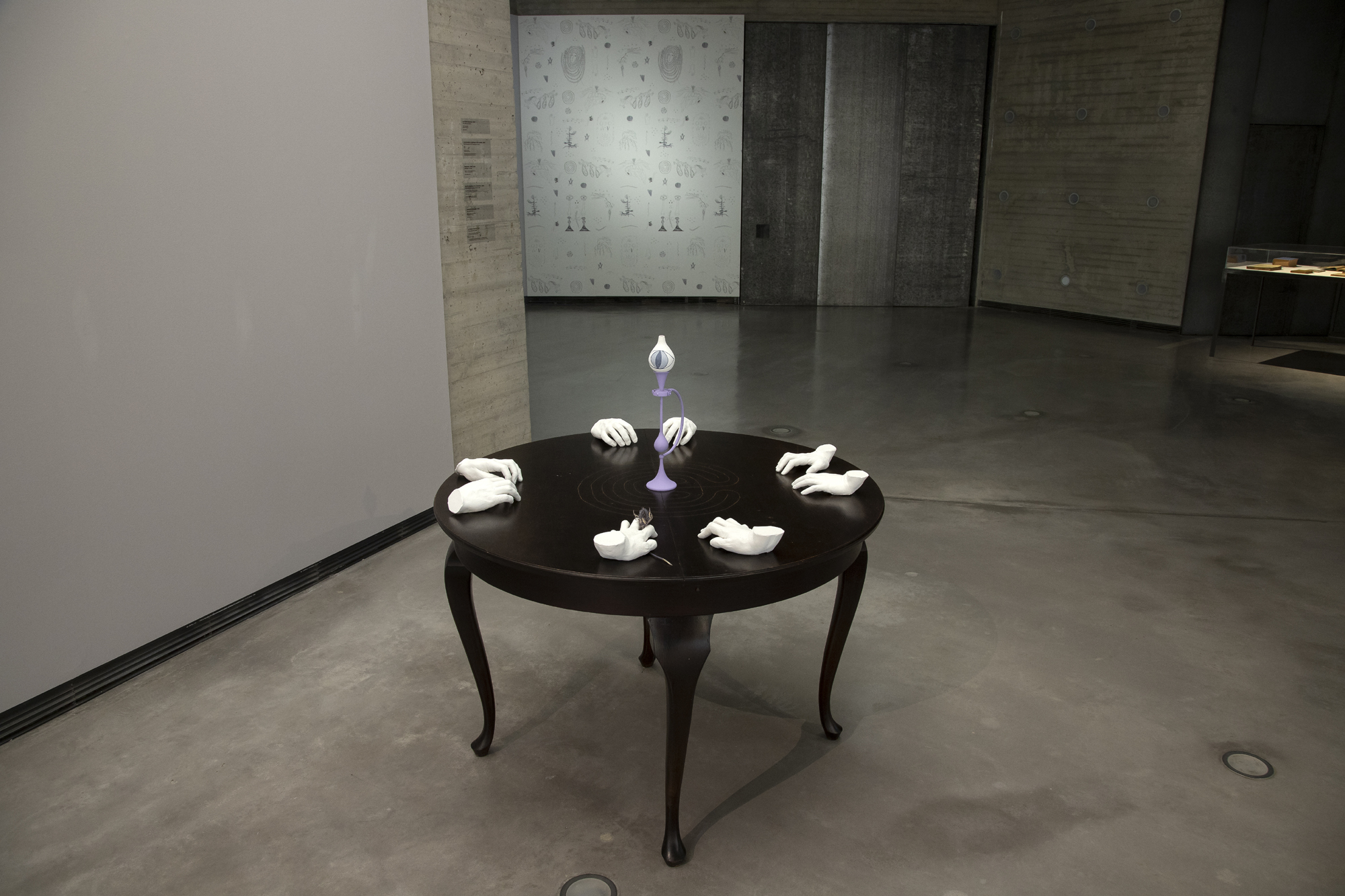
Desde 2015, Mercedes Azpilicueta ha posicionado su práctica como una forma de intervención historiográfica, basada en la multidisciplinariedad. A través de conexiones fluidas y asociativas, contrarresta las narrativas rígidas de la historia, haciendo lugar al surgimiento de voces afectivas y disidentes, recuperando en los archivos resonancias latentes de un futuro posible. En esta ocasión, presenta una instalación performativa y escultórica envolvente y en constante transmutación. La sala de exhibición simula un espacio suspendido en el tiempo, inquietante, donde confluyen personajes entre los restos de un mobiliario disfuncional. Es un espacio que resuena con la interioridad de la mente, oscilando entre el refugio y la hostilidad. Como decía Victor Hugo en Contemplaciones (1856): "Lo visible está hecho de lo invisible."
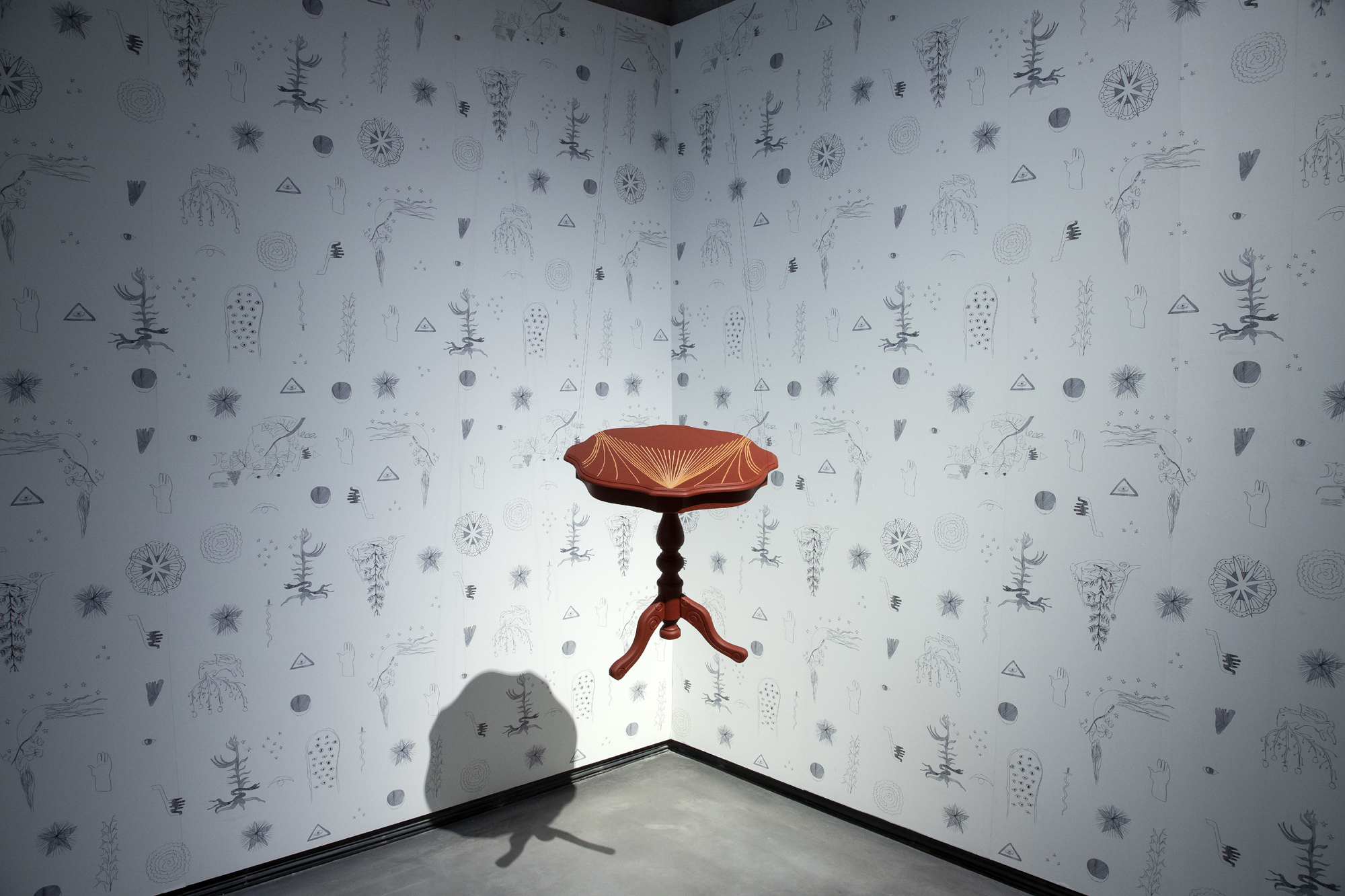
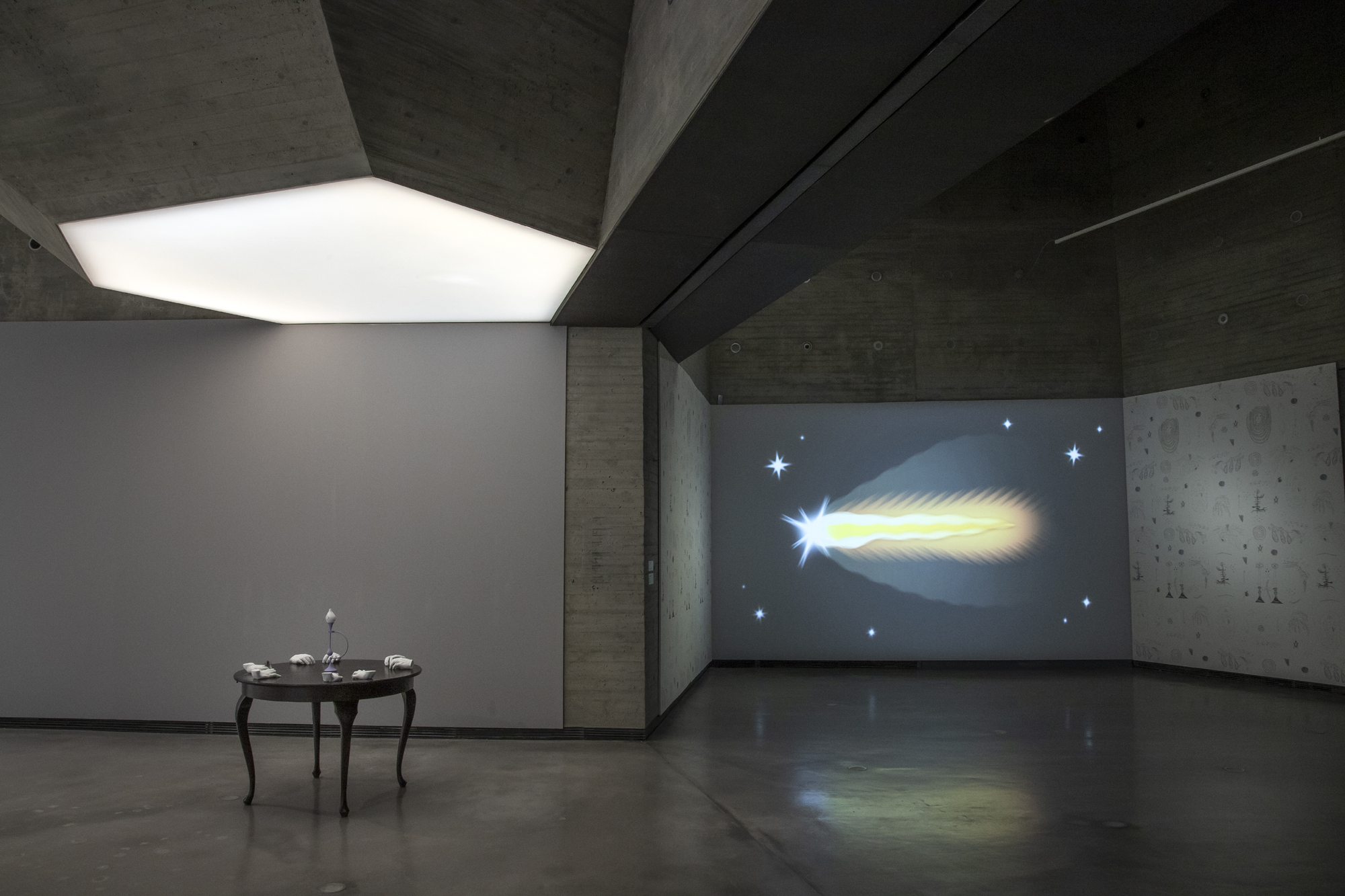
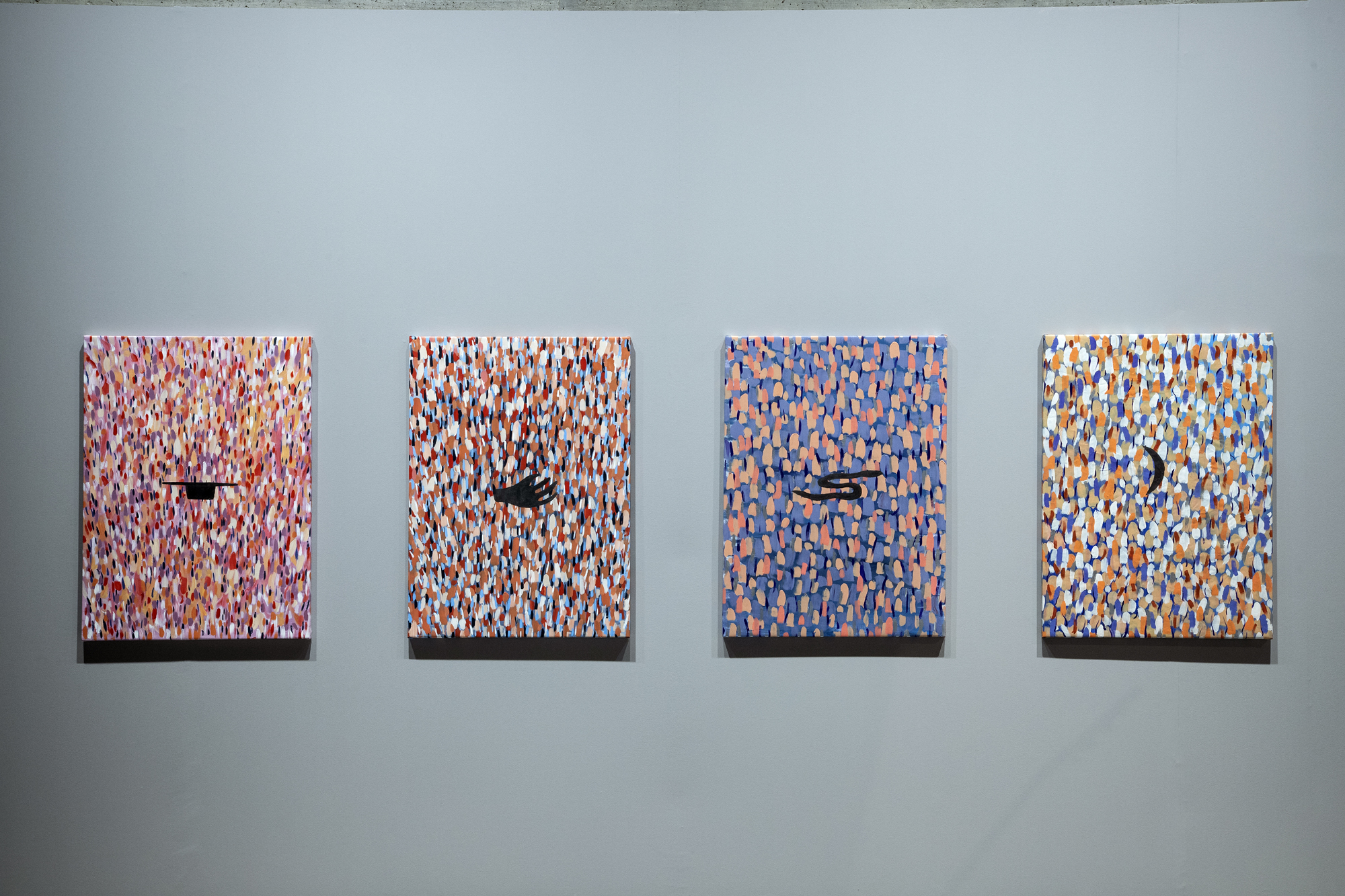
En el universo creado por la artista argentina para la sala T3 del C3A, deambulan personajes espectrales inspirados en los protagonistas de los libros de Amalia Domingo Soler, seres trashumanos e inquietantes. El espectador se adentra en un mundo donde la frontera entre lo real y lo onírico, entre lo material y lo espiritual, se difumina a través de un juego de luces y sombras. Las mesas parecen danzar al compás de una instalación sonora que envuelve todo el espacio expositivo, sugiriendo gestos performativos que oscilan entre lo coreográfico de lo invisible y lo espontáneo. Esculturas tridimensionales, vestidas con indumentaria típica cordobesa, mesas suspendidas en el espacio, elementos textiles, y paredes decoradas con una serie de dibujos realizados por la artista específicamente para esta exposición, crean un ambiente donde las sombras se revelan gradualmente, haciendo que el espectador pierda la noción de la realidad y se sumerja bajo la influencia de fuerzas invisibles en un universo que trasciende lo tangible. Esta exposición se convierte en una experiencia inmersiva, donde la percepción no se limita a la vista, sino que involucra todos los sentidos, permitiendo visualizar lo etéreo y lo espiritual, recordándonos cómo el arte puede hacer visible lo invisible, tal como Victor Hugo intentó con sus mesas giratorias.
Azpilicueta crea personajes imaginarios que deambulan en un ininterrumpido ir y venir, entre tiempos, entre sueños y pesadillas; entre los límites del lenguaje y la potencialidad expresiva de la imagen, en una sala fantasma que escapa a todo control ejercido por la razón. Sonidos cavernosos, que evocan comunicaciones con personajes etéreos y fantasmales provenientes de los libros de Amalia Domingo Soler, sumergen al visitante en un espacio imaginado y de alteridad, donde confluyen historias que apelan al lugar político del movimiento espiritista. La labor de interpretación y predicción, llevada a cabo por mujeres, requería un fuerte grado de intuición y sensibilidad hacia todo aquello que permanece invisible a los ojos. En este caso, Domingo Soler, casi ciega al mundo terrenal, poseía una visión que trascendía la vida.
El entramado de obras de Mercedes Azpilicueta en Las Mesas Danzantes invita a un recorrido a través de texturas, imágenes, sonidos cavernosos y olores, donde lo real y lo espiritista colapsan sus fronteras. Las Mesas Danzantes desarman la idea de la realidad como refugio de lo seguro y estable; y la razón, que migra por momentos hacia lo inexplicable, pierde su lugar de último bastión, dejándonos a la intemperie de un deambular errante.
Curadoras:
Verónica Rossi & Jimena Blázquez Abascal
Verónica Rossi es curadora del Museo de Arte Latinoamericano de Buenos Aires.
Dr. Jimena Blázquez Abascal es directora del CAAC / C3A
Esta exposición se ha realizado con la colaboración de la Fundación Mondriaan de Ámsterdam.
Biografía:
Mercedes Azpilicueta (La Plata, Argentina, 1981) es una artista visual y de performance de Buenos Aires que vive y trabaja en Ámsterdam. Su práctica artística reúne a diversos personajes del pasado y del presente, que se manifiestan como voces, formas, textos, rastros y recuerdos en sus obras de múltiples capas. Azpilicueta, que se define a sí misma como una "investigadora deshonesta", navega por múltiples referencias y campos del conocimiento, desde la historia del arte a la música popular, desde la literatura a la cultura de la calle, enamorándose de figuras y trayectorias "disidentes feministas, queer, migrantes, exiliadxs" que rondan sus guiones, performances y vídeos. Sin embargo, su obra nunca se deja llevar por la fría reverencia o la fascinación archivística. Al abordar el cuerpo con todos sus defectos y potencialidades "su propio cuerpo, el de sus musas y colaboradorxs, el de lxs espectadorxs, pero también los fantaseados", Azpilicueta abraza su fragilidad, así como su capacidad de cuidado y resistencia.
Fue artista residente en la Rijksakademie van Beeldende Kunsten, Ámsterdam, en 2015¿16, y recibió la Beca Pernod Ricard en 2017. Sus exposiciones individuales incluyen Kunstverein Göttingen (2023); Sammlung Philara, Düsseldorf (2022); Kunstmuseum Liechtenstein, Vaduz (2022); Gasworks, Londres (2021); CAC Brétigny, Brétigny-sur-Orge (2021); Museion, Bolzano/ Bozen (2020); Van Abbemuseum, Eindhoven (2019); Centro- Centro, Madrid (2019); Museo de Arte Moderno de Buenos Aires (2018); y Móvil, Buenos Aires (2015).
Azpilicueta fue nominada al Prix de Rome 2021.
Galería de imágenes